Midlife health
After Weight-Loss Shots: Why Appetite Comes Back and How to Plan for It
Prescription GLP-1 medications can quiet appetite dramatically. When they stop, whether because of cost, side effects or a doctor's decision, many people are surprised by how fast hunger returns. Knowing why helps you plan instead of panic.
Why appetite returns
Prescription GLP-1 medications work by keeping a fullness signal switched on far longer and more strongly than your own body would. While you take them, hunger is quieter, portions shrink and food noise fades for many people. When the medication leaves your system, your natural signaling takes over again, at the level it was before.
At the same time, the body tends to defend a previous weight. After weight loss, hunger hormones often rise and the body uses a little less energy than before. Put those together and it's easy to see why appetite can feel louder than ever after stopping. Studies of people who stop these medications have found that many regain a substantial part of the weight they lost. That isn't a lack of discipline; it's how appetite regulation works.
Never stop on your own
If cost, insurance changes, side effects or supply problems are pushing you to stop, talk to your doctor before you do. Depending on your health, they may suggest options such as a different dose, a different schedule, another treatment or a gradual plan for stopping. This matters even more if you take the medication for diabetes, since blood sugar can change quickly, or if other medications were adjusted while you lost weight.
Build your plan before the last dose
Protect your muscle
Rapid weight loss can take muscle along with fat. Muscle supports strength, balance and blood sugar control, and it's harder to rebuild after 40. Two habits help most:
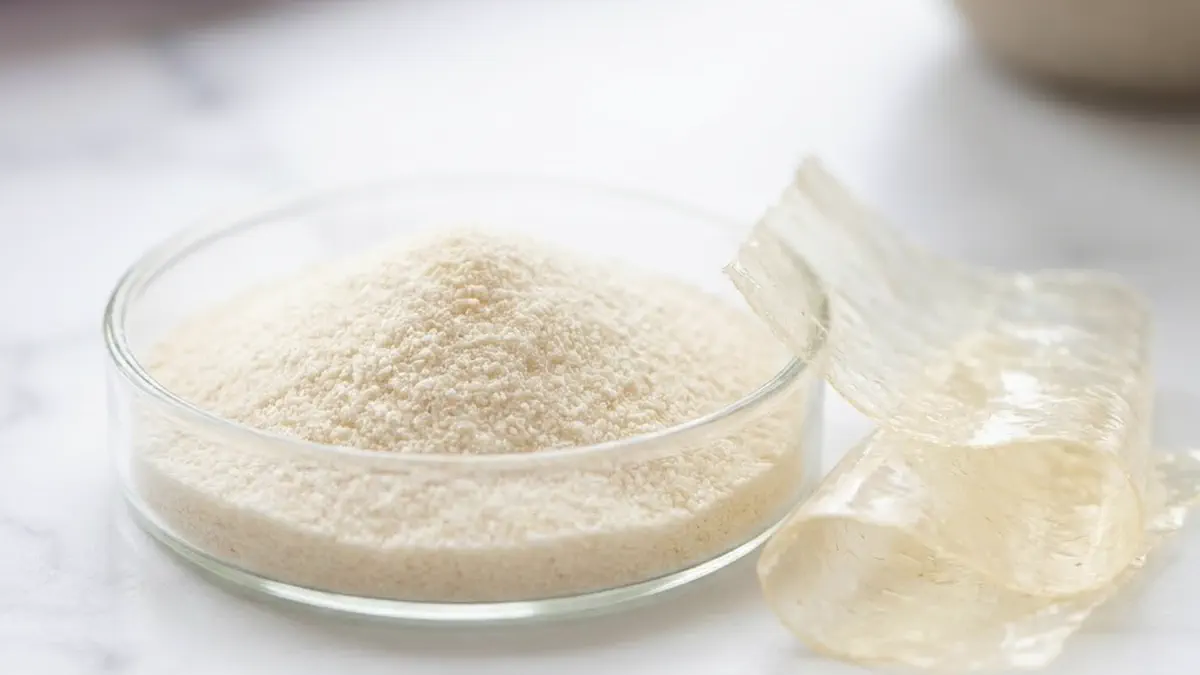
- Protein at every meal. Include a solid portion at breakfast, lunch and dinner, such as eggs, yogurt, fish, poultry, tofu or beans. A protein powder can fill gaps; collagen powders alone are an incomplete protein, so don't rely on them as your only source.
- Strength training. Work the major muscle groups against resistance at least twice a week, with your doctor's OK.
Keep meals regular and filling
Long gaps between meals make hunger harder to manage. Build meals around protein and fiber and eat at regular times. Our guide to supporting GLP-1 naturally covers the habits most linked with fullness.
The portion habits many people pick up while on medication are worth keeping on purpose: smaller plates, eating slowly, stopping when comfortably satisfied and not finishing food just because it's there.
Plan for food noise
If constant thoughts about food come back, it helps to know they're expected and that there are practical ways to turn the volume down. See food noise for strategies, and talk to your doctor if eating starts to feel out of control.
Sleep, stress and movement
Short sleep and high stress amplify hunger. Daily walking, a regular bedtime and some form of stress relief make appetite easier to live with.
Track what matters
- Weigh yourself on a regular schedule if it helps, and look at trends, not single days.
- Keep an eye on strength, energy and how your clothes fit.
- Keep follow-up appointments: your doctor may want to check blood sugar, blood pressure, cholesterol and kidney function.
- If weight comes back faster than you expected, tell your doctor early. Adjusting the plan sooner is easier than later.
Questions to bring to your appointment
- Should I lower the dose gradually or stop all at once, and what should I expect either way?
- Do any of my other medications, such as those for blood sugar or blood pressure, need to change?
- Which checkups or lab tests do I need in the months after stopping?
- What signs mean I should call you sooner?
- What are my options if my appetite becomes hard to manage?
- Would a dietitian or a structured program help me through the transition?
Be fair to yourself
Many people feel ashamed when weight returns after stopping, as if the effort was wasted. It wasn't. The time spent at a lower weight and the habits you build along the way still count. Treat weight as a long-term condition to manage with your care team, the same way you would manage blood pressure. For the bigger picture of what changes in midlife, read why weight gets harder after 40.
Frequently asked questions
What happens when you stop weight-loss injections?
Appetite often returns as your natural fullness signaling takes over again, and many people regain some of the weight they lost. Planning the change with your doctor and building habits beforehand helps.
Can I stop my weight-loss shot on my own?
Don't stop or change a prescription without talking to your doctor. They can discuss options such as a different dose or schedule, another treatment or a gradual plan, and adjust other medications if needed.
How do I keep weight off after stopping?
Protect muscle with protein at every meal and regular strength training, keep meals regular and filling, sleep well, stay active, and keep follow-up visits so your doctor can adjust the plan early if needed.
Is regaining weight after stopping a failure?
No. It reflects how appetite regulation works, not a lack of discipline. Weight is best managed as a long-term condition with your care team, like blood pressure.
Keep reading
 Appetite science
How to Support GLP-1 Naturally: What Food Can and Can't Do
What GLP-1 is, how your body releases it after meals, the habits linked with stronger fullness signals, and the honest limits of natural approaches.4 min read Midlife health
Why Weight Gets Harder After 40 (It's Not Willpower)
Why losing weight feels harder after 40: muscle loss, menopause, sleep, stress and medications. What's really changing and the habits with the best support.4 min readThis article is general information, not medical advice, and it doesn’t replace a conversation with your doctor or pharmacist. Last updated November 3, 2026. Spotted an error? Write to support@sodatide.blog.