Ingredients, checked
Green Tea, Turmeric and Ginger for Metabolism: An Honest Look
Three kitchen staples show up in countless metabolism and weight-loss products. Each has a real story behind it, and none of them is a shortcut. Here's what they do, how strong the evidence is and where the safety lines are.
Why these three keep showing up
Green tea, turmeric and ginger are familiar, inexpensive and have long histories in traditional cooking and wellness practices. They also contain active compounds that researchers have studied for decades, which gives products something to point to. The question isn't whether they do anything at all; it's whether what they do is meaningful for weight, and whether concentrated forms are as safe as the foods.
Green tea
What's in it
Green tea contains catechins, a family of plant compounds, the best known being EGCG, along with caffeine. Matcha, made from whole ground leaves, delivers more of both than a regular cup of brewed tea.
What the evidence suggests
Some studies suggest the combination of catechins and caffeine slightly increases energy use and fat burning, but the effects are small and inconsistent, and they may be weaker in people who already drink a lot of coffee. A cup of green tea can be a good swap for a sugary drink; it won't change your weight on its own.
A cup of brewed green tea usually has less caffeine than a cup of coffee, which makes it a gentler afternoon option for many people. If caffeine affects your sleep, keep it to the morning or choose decaf.
Safety
Brewed green tea is safe for most people in normal amounts. Concentrated green tea extract in supplements is different: it has been linked to rare but serious cases of liver injury, particularly at high doses and when taken on an empty stomach. Extracts also carry caffeine, which can cause jitters, poor sleep and a faster heartbeat, and can interact with some medications. Stop and call your doctor if you notice yellowing skin or eyes, dark urine or unusual fatigue.
Turmeric and curcumin
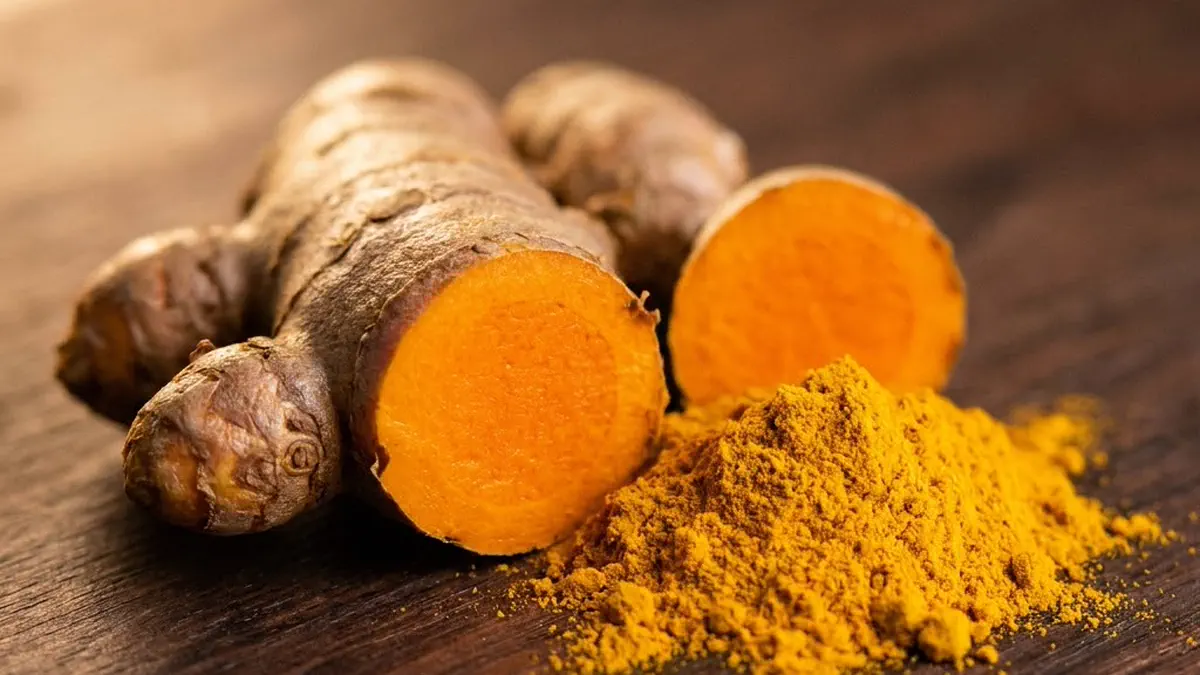
Turmeric is the golden root behind the color of many curries; curcumin is its most studied compound. Curcumin has been researched mostly for inflammation and joint comfort. Evidence for weight loss is limited and mixed.
One practical problem: curcumin is poorly absorbed on its own. Many supplements pair it with black pepper extract or special formulations to improve absorption, which also makes interactions more likely. Curcumin supplements may increase bleeding risk with blood thinners, can affect blood sugar and aren't recommended for people with gallbladder problems. Rare cases of liver injury have also been reported with turmeric supplements. Cooking with turmeric is a different, much smaller exposure.
Ginger
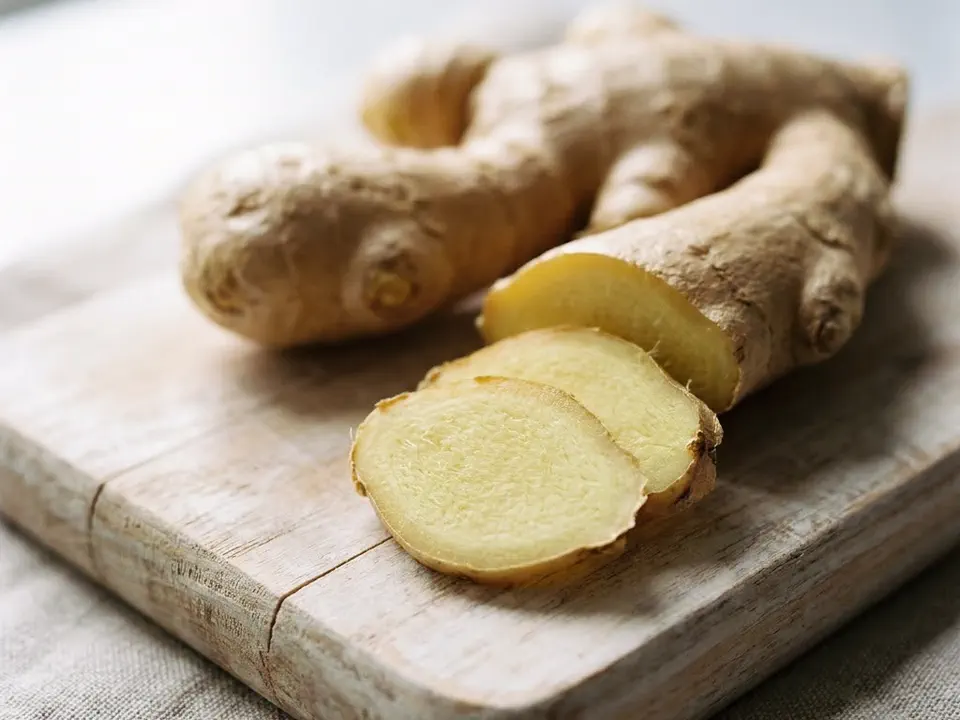
Ginger has the most down-to-earth reputation of the three: it's widely used for nausea, motion sickness and an unsettled stomach. Gingerols are among its main active compounds. A few small studies have looked at ginger and feelings of fullness, but there's no solid evidence that it causes weight loss.
In food amounts, ginger is safe for most people. Larger supplemental doses can cause heartburn or stomach upset, and people taking blood thinners or diabetes medication should check with their doctor before using concentrated ginger products.
Food versus concentrated extracts
| As food or drink | As a concentrated supplement | |
|---|---|---|
| Green tea | Generally safe; contains caffeine | Rare liver injury reported; more caffeine |
| Turmeric | Generally safe in cooking | Bleeding risk with blood thinners; gallbladder caution |
| Ginger | Generally safe | Heartburn; check if you take blood thinners |
The pattern is the same for all three: the kitchen version is familiar and low-risk, while concentrated extracts deliver more of the active compounds, along with more potential for side effects and interactions.
How to use them sensibly
- Enjoy them as food: green tea instead of soda, turmeric in soups and curries, ginger in tea or stir-fries.
- If you take a supplement that contains them, read the Supplement Facts panel and tell your doctor or pharmacist, especially if you take blood thinners or diabetes medication or have liver problems.
- Watch for “proprietary blends” that list ingredients without amounts. Without numbers, you can't tell how much of each one you're getting.
- Be skeptical of any product that promises fat burning. The habits that move the needle are less exotic: protein, fiber, sleep and movement, covered in supporting GLP-1 naturally.
Curious about the other headline ingredient in many of these formulas? Read the baking soda trick for what baking soda can and can't do.
Frequently asked questions
Does green tea help you lose weight?
Its catechins and caffeine may slightly increase energy use, but the effect is small and inconsistent. Swapping sugary drinks for green tea is a sensible habit; it won't change your weight on its own.
Is green tea extract safe?
Brewed green tea is safe for most people. Concentrated extracts have been linked to rare cases of liver injury, especially at high doses or on an empty stomach, and they contain caffeine. Talk to your doctor before taking them.
Does turmeric interact with medications?
Curcumin supplements may increase bleeding risk with blood thinners and can affect blood sugar. People with gallbladder problems should avoid them. Cooking with turmeric is a much smaller exposure.
What is ginger good for?
Ginger is best known for easing nausea and an unsettled stomach. There's no solid evidence that it causes weight loss, and large supplemental doses can cause heartburn.
Keep reading
 Trends, checked
The Baking Soda Trick: What It Is and What It Can't Do
What the viral baking soda trick actually is, why it spread so fast, what baking soda really does in your body, and the sodium limits to know before trying it.4 min read Appetite science
How to Support GLP-1 Naturally: What Food Can and Can't Do
What GLP-1 is, how your body releases it after meals, the habits linked with stronger fullness signals, and the honest limits of natural approaches.4 min readThis article is general information, not medical advice, and it doesn’t replace a conversation with your doctor or pharmacist. Last updated November 3, 2026. Spotted an error? Write to support@sodatide.blog.