Trends, checked
The Baking Soda Trick: What It Is, Why It Spread and What It Can't Do
A spoonful of baking soda in a glass of water, often with lemon or vinegar, taken first thing in the morning. The videos make it sound like a secret. The chemistry is ordinary, and the most important detail is the one they rarely mention: sodium.
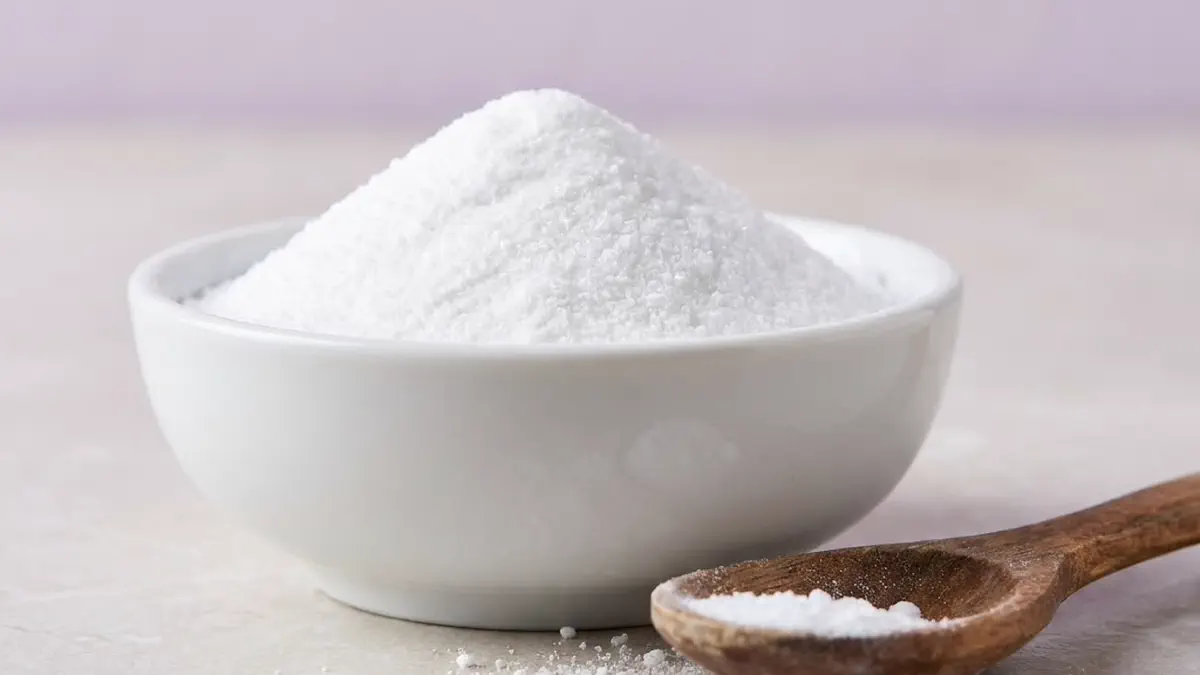
What people mean by “the baking soda trick”
The trend has a few versions, but they share the same core: a small amount of baking soda, the kind sold in an orange box for baking and cleaning, stirred into a glass of water and drunk on an empty stomach. Some recipes add lemon juice, apple cider vinegar or honey. Others call it a “morning shot.” The promise attached to it changes from video to video: a flatter stomach, less bloating, a faster metabolism, fewer cravings or an “alkalized” body.
None of the versions is new. Baking soda has been a home remedy for indigestion for generations, and the box itself usually carries directions and warnings for occasional antacid use. What's new is the framing: a cheap pantry item presented as an alternative to expensive weight-loss treatments.
Why it spread so fast
- It's cheap and already in the kitchen. Nothing to order, nothing to wait for.
- It fizzes. Mixed with lemon or vinegar, baking soda bubbles. It looks like something is happening, which makes for good video.
- It arrived at the right moment. Interest in appetite and in prescription weight-loss injections created a big audience looking for a low-cost version of the same idea.
- Some people do feel different. If you get heartburn or acid indigestion, an antacid can make your stomach feel better, and that relief is easy to read as “it's working.”
What baking soda actually does
Sodium bicarbonate is a base. In your stomach it reacts with acid and produces water, salt and carbon dioxide gas, which is why some people burp after taking it. That neutralizing effect is real and fast, and it's the reason baking soda is used as an antacid.
When you add lemon juice or vinegar first, much of that reaction happens in the glass instead: the fizz is the baking soda and the acid canceling each other out. What's left is mostly water, a little flavor and the sodium you started with.
In sports nutrition, sodium bicarbonate has been studied as a buffer for short bursts of very intense exercise, usually with notable stomach side effects. That research is about athletic performance, not about appetite or fat loss.
What it can't do
It doesn't “alkalize” your body
Your blood pH is held in a narrow range by your lungs and kidneys, all day, regardless of what you eat or drink. A glass of baking soda water changes your stomach contents for a short time; it doesn't reset your body's chemistry, and you wouldn't want it to. When that balance is pushed too far, it's a medical problem, not a wellness goal.
There's no reliable evidence it causes weight loss
We couldn't find good human evidence that drinking baking soda water reduces body fat or appetite. Any change people notice is more likely tied to everything else they changed at the same time, such as eating a smaller breakfast or drinking more water. We cover the evidence and the risks in more detail in baking soda water for weight loss.
It isn't an appetite hormone
Some videos link the trick to GLP-1, the gut hormone behind the best-known weight-loss injections. Baking soda is not a hormone and doesn't act like one. If you're curious about what does influence fullness signals, read how to support GLP-1 naturally.
The sodium problem
Baking soda is a concentrated source of sodium. A level teaspoon contains roughly half of the sodium most adults are advised to stay under for an entire day. For someone with high blood pressure, heart failure, kidney disease or a low-sodium diet, a daily baking soda drink can work directly against their treatment. Taking large amounts can also upset the body's acid-base balance, and baking soda can change how some medicines are absorbed.
If you still want to try it
- Talk to your doctor or pharmacist first, especially if you take medication or watch your sodium.
- Read the directions and warnings on the box, and don't go beyond them.
- Don't take it on a very full stomach, and don't turn it into a long-term daily habit without medical advice.
- Don't give it to children, and avoid it during pregnancy unless your doctor says otherwise.
The honest summary: the baking soda trick is an old antacid with a new story attached. If appetite is the real issue, the habits with better support are less viral and more useful.
Frequently asked questions
What is the baking soda trick?
It's a viral routine of stirring a small amount of baking soda into water, sometimes with lemon juice or vinegar, and drinking it in the morning. It's promoted for bloating, cravings and weight, but there's no reliable evidence that it causes weight loss.
Does the baking soda trick work for weight loss?
We found no good human evidence that it reduces body fat or appetite. Baking soda neutralizes stomach acid, which can ease occasional heartburn, but that's a different effect from weight loss.
Is it safe to drink baking soda every day?
Not for everyone. A level teaspoon carries roughly half of a day's recommended sodium limit, and large amounts can upset the body's acid-base balance. Talk to your doctor first, especially if you have high blood pressure, kidney or heart problems, or take medication.
Why do people add lemon or vinegar?
Mostly for taste and the fizz. The acid reacts with the baking soda in the glass and releases carbon dioxide bubbles. That reaction doesn't add any fat-burning effect.
Keep reading
 Trends, checked
Baking Soda Water for Weight Loss: Evidence and Risks
Does baking soda water help with weight loss? What the evidence shows, how much sodium is in a teaspoon, who should avoid it and the habits that help more.4 min read Appetite science
How to Support GLP-1 Naturally: What Food Can and Can't Do
What GLP-1 is, how your body releases it after meals, the habits linked with stronger fullness signals, and the honest limits of natural approaches.4 min readThis article is general information, not medical advice, and it doesn’t replace a conversation with your doctor or pharmacist. Last updated November 3, 2026. Spotted an error? Write to support@sodatide.blog.