Appetite science
How to Support GLP-1 Naturally: What Food and Habits Can (and Can't) Do
GLP-1 went from a lab term to dinner-table conversation because of weight-loss injections. Your body makes its own GLP-1 every time you eat. Here's how that system works, which habits are linked with stronger fullness signals, and why food is not a substitute for medication.
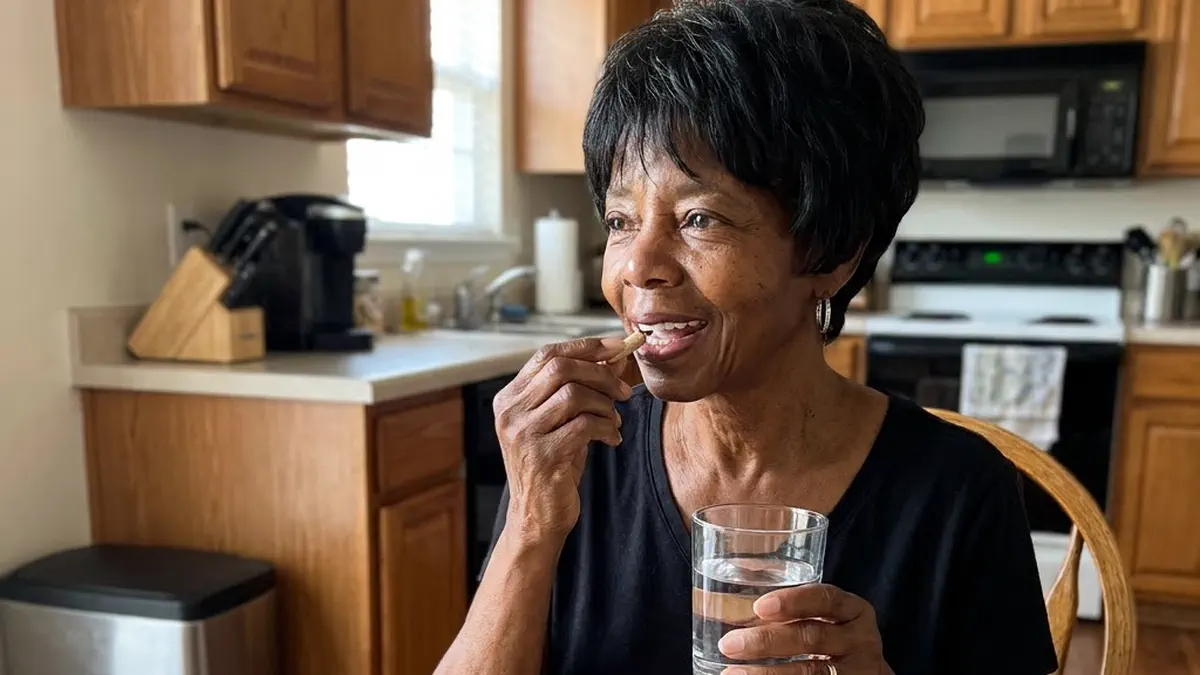
What GLP-1 is
GLP-1 (glucagon-like peptide-1) is one of several hormones your intestine releases when food arrives. Specialized cells in the gut lining sense nutrients, especially protein, fat and certain carbohydrates, and send out GLP-1 along with other signals. GIP is a close cousin released higher up in the intestine.
GLP-1 does several jobs at once. It helps the pancreas release insulin after a meal, slows the rate at which your stomach empties, and sends signals to the brain that contribute to feeling satisfied. Together, those effects help explain why a balanced meal can keep you comfortable for hours while a quick snack can leave you hungry again soon.
Your own GLP-1 versus prescription medications
The GLP-1 your body makes is short-lived: an enzyme breaks most of it down within minutes. Prescription GLP-1 medications are designed to resist that breakdown, so they keep the signal active far longer and at much higher levels than a meal ever could. That's why their effect on appetite is so much stronger, and why they come with medical supervision and side effects.
This difference matters when you read claims about “natural GLP-1.” Food and habits can support the system you already have. They don't turn it into a medication.
Habits linked with stronger fullness signals
Build meals around protein
Protein is the nutrient most consistently linked with feeling full, and protein-rich meals tend to produce a stronger hormonal fullness response than meals low in protein. Eggs, Greek yogurt, fish, poultry, lean meat, tofu, beans and lentils all count. Spreading protein across breakfast, lunch and dinner works better than saving most of it for the evening.
Add fiber, especially from whole foods
Fiber slows digestion and feeds gut bacteria that produce compounds involved in appetite signaling. Vegetables, beans, lentils, oats, barley, berries, nuts and seeds are easy places to start. If you're adding a lot of fiber, increase it gradually and drink enough water to avoid bloating.
Choose foods that take some chewing
Whole and minimally processed foods are digested more slowly than highly processed snacks, which are designed to be eaten quickly. A plate of fish, roasted vegetables and potatoes gives your gut more time to send signals than a drive-through meal with the same calories.
Slow down
Fullness signals take time to build. Eating more slowly, putting your fork down between bites and not eating while scrolling all give those signals a chance to register before the plate is empty.
Sleep and stress
Short sleep is linked with more hunger and stronger cravings the next day, and chronic stress pushes many people toward quick, rewarding food. Neither is a willpower problem; both are worth treating as part of the plan.
Move after meals
Regular physical activity supports healthy blood sugar and can help regulate appetite. Even a short walk after dinner counts.
What natural approaches can't do
- They won't produce the large, steady drop in appetite people describe on prescription GLP-1 medications.
- They work gradually and depend on consistency, not on any single food.
- No supplement has been shown to replace a GLP-1 medication. Products that say they “support” GLP-1 are dietary supplements, not drugs.
That doesn't make the habits pointless. They're the foundation that helps whether you use medication, have stopped it or never will. If you're coming off an injection, see what to expect after weight-loss shots. If constant thoughts about food are the main problem, read food noise.
A simple day that puts this together
- Breakfast: eggs or Greek yogurt with berries and a spoonful of nuts.
- Lunch: a big salad or vegetable soup with beans, chicken, fish or tofu.
- Snack, if needed: an apple with peanut butter, or hummus with vegetables.
- Dinner: a palm-sized portion of protein, half a plate of vegetables and a portion of whole grains or potatoes.
- After dinner: a short walk, then a consistent bedtime.
If you take medication for diabetes or blood pressure, talk to your doctor before making big changes to how you eat, since your doses may need adjusting.
Frequently asked questions
Can you increase GLP-1 naturally?
Your body releases GLP-1 every time you eat, and meals rich in protein and fiber are linked with stronger fullness signals. Eating slowly, sleeping well and staying active also help. The effect is modest compared with prescription medications.
What foods are high in GLP-1?
No food contains GLP-1. Foods influence how much your gut releases. Protein foods like eggs, yogurt, fish and beans, and fiber-rich foods like vegetables, oats and lentils, are the ones most often linked with fullness.
Do GLP-1 supplements work like the injections?
No. Supplements that say they support GLP-1 are not medications and haven't been shown to match prescription GLP-1 drugs. Talk to your doctor about medical options.
What is GIP?
GIP is another gut hormone released after meals. Like GLP-1, it helps the body manage blood sugar after eating, and some newer prescription medications act on both.
Keep reading
 Appetite science
Food Noise: What It Is and Practical Ways to Quiet It
Food noise explained: why some people think about food constantly, what drives it, practical ways to turn the volume down, and when it's time to ask for help.4 min read Midlife health
After Weight-Loss Shots: Why Appetite Returns and How to Plan
Stopping weight-loss injections? Why appetite and weight often come back, how to plan the change with your doctor, and the habits that protect your progress.4 min readThis article is general information, not medical advice, and it doesn’t replace a conversation with your doctor or pharmacist. Last updated November 3, 2026. Spotted an error? Write to support@sodatide.blog.